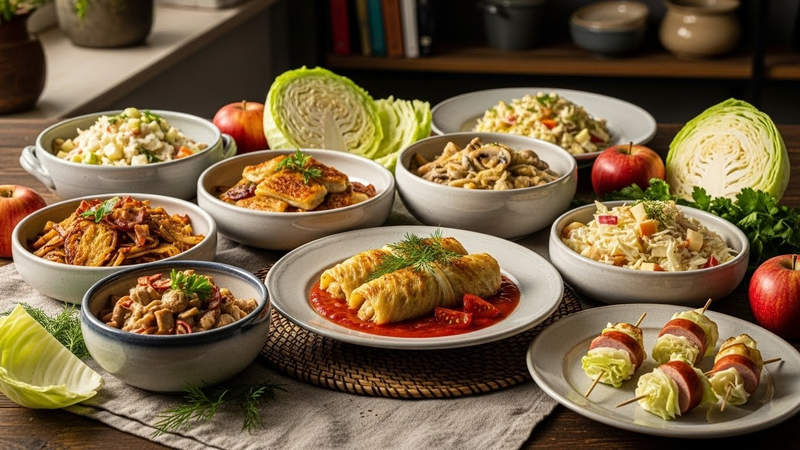
White Cabbage: From Humble Staple to Culinary Masterpiece
Beyond its unassuming appearance, white cabbage holds a remarkable versatility, transforming into dishes that span comforting classics and vibrant, modern creations. How does this crisp, leafy vegetable achieve such a diverse range of textures and flavors?
Coleslaw: the foundation of crispness
The quintessential white cabbage salad, often referred to as coleslaw, begins with finely shredded cabbage, its delicate ribbons offering a satisfying crunch. A simple dressing of oil, salt, and sugar coats these strands, often accompanied by grated carrots and finely diced onions. The true secret to a vibrant, tender-crisp coleslaw lies in the initial preparation of the cabbage itself. Gently kneading the shredded leaves with a sprinkle of salt initiates a process of osmosis, drawing out excess moisture and softening the cellular structure. This vital step ensures the cabbage becomes pliable without losing its characteristic bite, preventing a watery final dish.
Contemporary coleslaw interpretations
While the classic remains beloved, modern culinary approaches elevate coleslaw with inventive additions. Crisp apple slivers introduce a refreshing sweetness, their tartness cutting through richer dressings. For an added textural dimension, toasted sunflower or pumpkin seeds contribute a nutty, earthy crunch. Moving beyond oil-based dressings, creamy yogurt or skyr, often infused with a pungent horseradish kick, offer a lighter, yet equally rich, alternative. This evolution allows for a broader flavor spectrum while maintaining the salad’s comforting creaminess.
To ensure coleslaw maintains its vibrant texture for an extended period, a professional technique involves salting the shredded cabbage about 15 minutes before dressing. The salt draws out moisture, which is then gently squeezed away. This pre-treatment helps the cabbage fibers remain firm and prevents wilting, ensuring the salad stays delightfully crisp even after several days of refrigeration.
Braised cabbage: a slow-cooked symphony
Braised cabbage, a dish rich in tradition, rewards patience with profound depth of flavor. The process commences with blanching the shredded cabbage for five to seven minutes. This brief immersion in boiling water serves a dual purpose: it neutralizes enzymes responsible for bitterness, ensuring a sweeter profile, and begins to tenderize the tough cellulose fibers, preparing them for the long, slow braise. Once blanched, the cabbage simmers gently with aromatic onions, savory smoked meats, and a medley of spices like caraway, bay leaf, and allspice. The culinary cornerstone of this dish is a meticulously prepared roux—a blend of flour and fat—stirred in to create a velvety, rich consistency that envelops the tender cabbage, binding the flavors into a cohesive, comforting experience.
Cabbage rolls: precision in every fold
Crafting perfect cabbage rolls, or gołąbki, hinges on the precise preparation of the leaves. The most effective method involves carefully removing the core from a whole head of cabbage, then blanching it in generously salted water. As the outer leaves soften, they are meticulously peeled away, one by one, ensuring each leaf is pliable yet intact. A crucial detail involves gently thinning the thick central vein of each leaf with a sharp knife. This step ensures uniform tenderness across the entire leaf, preventing tough, fibrous sections that could compromise the roll’s delicate texture.
Traditional fillings for these savory parcels often feature a harmonious blend of seasoned minced meat, fluffy rice, and finely sautéed onions. However, contemporary interpretations embrace a wider array of ingredients. Hearty buckwheat and earthy wild mushrooms offer a robust, rustic flavor. For plant-based variations, protein-rich lentils and an assortment of finely diced vegetables create a satisfying, wholesome alternative. Even more adventurous fillings incorporate the subtle sweetness of millet combined with dried fruits, introducing an unexpected layer of complexity.
Hunter’s stew (bigos): the alchemy of time
Bigos, often known as Hunter’s Stew, offers a lighter, fresher counterpoint to its more robust, sauerkraut-laden cousin when prepared with fresh white cabbage. This hearty stew combines the crispness of fresh cabbage with an array of meats, cured sausages, dried forest mushrooms, and sweet prunes. The characteristic depth of flavor in bigos is not simply achieved by its ingredients, but by the transformative power of extended, gentle simmering. This slow cooking allows the diverse components to meld, their individual essences diffusing and intermingling on a molecular level. The true magic of bigos unfolds over multiple reheating cycles; each re-warming session further breaks down ingredients and intensifies flavor compounds, resulting in a richer, more cohesive, and profoundly satisfying stew where every spoonful reveals new layers of taste.
Global Inspirations and Modern Techniques
Coleslaw salads: contemporary interpretations
White cabbage forms an exceptional canvas for creamy coleslaw salads, which have transcended their traditional American roots to become a global favorite. The classic mayonnaise-based dressing has evolved to include lighter, yet equally luxurious, options like Greek yogurt or skyr. These dairy alternatives provide a similar silken mouthfeel with a reduced caloric footprint. The key to their success lies in the meticulous preparation of the cabbage itself: uniform, thin shredding, ideally achieved with a mandoline, creates delicate strands that readily absorb the dressing while retaining a pleasant, subtle resistance.
Modern culinary explorations have birthed a spectrum of coleslaw variations:
- Asian-inspired: Infused with the umami depth of soy sauce, the nutty aroma of sesame oil, the sharp zest of fresh ginger, and the satisfying crunch of toasted nuts.
- Mediterranean-influenced: Featuring sun-dried tomatoes, briny olives, and salty feta cheese, evoking sun-drenched landscapes.
- Nordic-style: Brightened by the fresh anise notes of dill, the crispness of apple, and the earthy warmth of caraway seeds.
Fermentation: modern techniques for a timeless tradition
Fermented white cabbage, most notably sauerkraut, is experiencing a significant resurgence, driven by a renewed appreciation for probiotic-rich foods. Beyond its status as a cherished culinary staple, homemade fermented cabbage is a vibrant superfood, teeming with beneficial bacteria that actively support a healthy gut microbiome. The fermentation process itself involves beneficial lactic acid bacteria converting sugars in the cabbage into lactic acid, which preserves the vegetable and creates its distinctive tangy flavor.
Contemporary approaches to fermenting cabbage offer enhanced control and creative freedom:
- Airlock jar fermentation: Utilizing specialized lids with one-way valves, these systems allow gases to escape without permitting oxygen to enter. This maintains an anaerobic environment, crucial for successful fermentation, and eliminates the need for daily “burping” of jars.
- Experimental spice infusions: Beyond traditional juniper berries and caraway, modern fermenters explore additions like earthy turmeric, pungent ginger, or aromatic curry leaves, introducing complex new flavor dimensions.
- “Polish Kimchi”: A creative adaptation of the Korean classic, this involves fermenting white cabbage instead of napa cabbage, often incorporating a vibrant paste of paprika, garlic, and fresh ginger for a spicy, tangy kick.
These refined fermentation techniques enable consistent, repeatable results, ensuring that the cabbage retains its full nutritional value while developing its signature piquant flavor and crisp texture. Fermented cabbage serves as an excellent, bright counterpoint to rich dishes, adding a zesty crunch to sandwiches, burgers, or grain bowls.