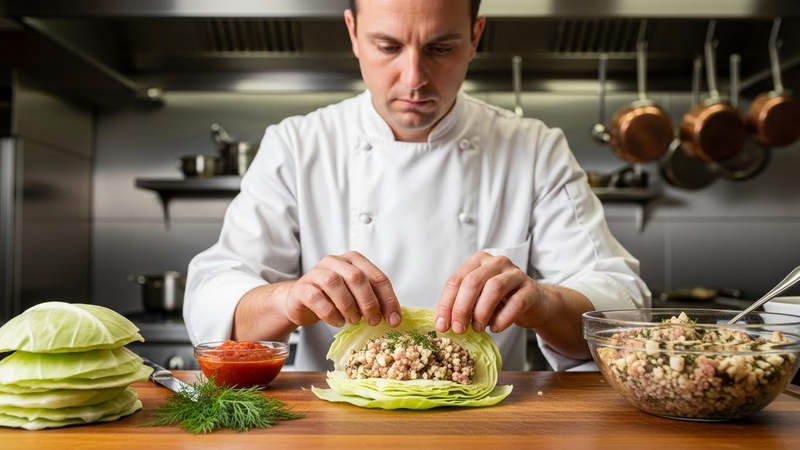
Could a dish as comforting and traditional as stuffed cabbage rolls truly become a cornerstone of a diabetes-friendly diet without sacrificing its soul? The journey begins with understanding the culinary alchemy required to transform classic preparations into metabolically supportive meals.
Strategic ingredient substitutions for metabolic health
Traditional stuffed cabbage rolls, while deeply satisfying, present significant glycemic challenges. The core issue often lies with white rice, a high-glycemic carbohydrate that triggers rapid blood glucose spikes. Compounding this, fatty ground meats can contribute to insulin resistance, and sauces thickened with flour-based roux or sweetened with sugar introduce unnecessary simple carbohydrates. The entire meal’s glycemic load escalates further when paired with conventional sides like sour cream and white bread.
Optimizing carbohydrate sources for stable blood sugar
Replacing high-glycemic white rice with alternatives that offer a slower, more sustained release of glucose is fundamental. These substitutions are rich in complex carbohydrates and dietary fiber, which slows digestion and nutrient absorption.
- Buckwheat groats: Possessing a moderate glycemic index, buckwheat offers a nutty depth and a satisfying chew. Its unique protein profile and rich fiber content contribute to prolonged satiety.
- Quinoa: A complete protein and an excellent source of fiber, quinoa cooks to a fluffy texture, absorbing flavors beautifully. Its low glycemic index ensures a gentle rise in blood sugar.
- Brown rice: Unlike its refined counterpart, brown rice retains its bran and germ layers, packing in more fiber and essential nutrients. This structural integrity means a slower breakdown into glucose.
- Lentils: These legumes are powerhouses of soluble fiber and plant-based protein, significantly blunting the post-meal glucose response. They lend a hearty texture to the filling.
Crafting a lean, fiber-rich filling
The choice of protein and the addition of specific ingredients profoundly impact the metabolic profile of the filling. Opting for leaner meats reduces saturated fat intake, which is beneficial for cardiovascular health and insulin sensitivity.
- Lean ground turkey or chicken: These provide high-quality protein without the excess saturated fats found in fattier cuts of pork or beef. Their mild flavor allows other ingredients to shine.
- Increased vegetable content: Incorporating more finely diced or grated vegetables into the filling adds volume, fiber, and micronutrients, naturally reducing the proportion of meat without compromising flavor.
- Flaxseed meal: A small addition of ground flaxseed introduces a significant boost of soluble fiber and omega-3 fatty acids. The mucilage in flaxseed forms a gel in the digestive tract, further slowing carbohydrate absorption and promoting digestive regularity.
Elevating the sauce: A sugar-free, nutrient-dense approach
The sauce, often an overlooked component, can be a hidden source of simple sugars and unhealthy fats. A thoughtful reformulation transforms it into a vibrant, health-promoting element.
- Eliminating roux: Instead of thickening with flour and fat, which adds calories and simple carbohydrates, leverage the natural pectin in tomatoes or the creamy texture of puréed vegetables. Cauliflower purée, for instance, provides a velvety consistency without the glycemic impact.
- Unsweetened tomato passata: Many commercial tomato products contain added sugars. Selecting passata or crushed tomatoes with no added sugar ensures the natural sweetness of the tomatoes is the only sugar present.
- Herb-forward seasoning: Relying on aromatic herbs like basil, oregano, and thyme, along with garlic and onion, builds complex flavor layers without excessive sodium. This deepens the taste profile, making the absence of added sugar imperceptible.
The profound health advantages of dietary adaptation
These modifications culminate in a dish that not only delights the palate but also offers substantial health benefits. The reduction in glycemic load can be dramatic, leading to more stable blood sugar levels throughout the day. The increased fiber content supports gut health and enhances satiety, helping to manage appetite and weight. Furthermore, the shift towards leaner proteins and healthy fats contributes to a more favorable lipid profile, supporting cardiovascular well-being. Consistently incorporating meals with a lower glycemic index has been shown to improve insulin sensitivity, a critical factor in managing diabetes effectively.
A step-by-step guide to diabetes-friendly stuffed cabbage rolls
Crafting these mindful stuffed cabbage rolls is a rewarding process, yielding a dish that is both nourishing and deeply flavorful. Precision in preparation ensures optimal texture and nutrient retention.
Essential ingredients for mindful preparation
A curated selection of ingredients forms the foundation of these health-conscious stuffed cabbage rolls.
| Component | Quantity | Specifics |
|---|---|---|
| Cabbage | 1 large head | Savoy cabbage (chosen for its lower glycemic index and pliable leaves) |
| Ground meat | 400 g | Lean ground turkey |
| Grain | 100 g | Unroasted buckwheat groats |
| Vegetables | 1 medium | Onion |
| 1 | Carrot | |
| 1 small | Celeriac (approx. 100 g) | |
| Oil | 2 tbsp | Rapeseed oil |
| Fiber boost | 2 tbsp | Ground flaxseed |
| Seasoning | 1 tsp | Dried thyme |
| To taste | Himalayan salt, freshly ground black pepper | |
| 2 | Bay leaves | |
| 3 | Allspice berries |
For the vibrant tomato sauce:
| Component | Quantity | Specifics |
|---|---|---|
| Tomato base | 500 ml | Sugar-free tomato passata |
| Aromatics | 1 | Onion |
| 2 cloves | Garlic | |
| Fat | 1 tbsp | Olive oil |
| Sweetener | 1 tsp | Natural sweetener (erythritol or stevia) |
| Fresh herbs | To taste | Basil, oregano |
Preparing the cabbage leaves for seamless rolling
The journey to perfectly rolled cabbage begins with tender, pliable leaves.
- Core and blanch: Carefully remove the tough core from the Savoy cabbage head. Submerge the entire head in a large pot of generously salted boiling water. Allow it to blanch for 5 to 7 minutes. This initial heat treatment softens the outer leaves, making them flexible.
- Peel and cool: As the outer leaves become tender and translucent, gently peel them away from the head using tongs or a slotted spoon. Transfer the softened leaves to a colander to cool, allowing excess water to drain. Continue blanching and peeling until you have enough leaves for your rolls.
- Tenderize veins: For any leaves with particularly thick central veins, use a meat mallet or the back of a spoon to gently flatten them. This ensures the leaves roll smoothly and prevents tearing, creating a uniform thickness for cooking.
Assembling the aromatic, nutrient-packed filling
The heart of the stuffed cabbage roll lies in its flavorful and well-balanced filling.
- Par-cook buckwheat: Cook the buckwheat groats according to package directions, but reduce the cooking time by 2 minutes. The groats should be slightly undercooked, as they will finish cooking and absorb flavors during the baking process, preventing a mushy texture.
- Prepare aromatics: Finely dice the onion, carrot, and celeriac, or grate them using a fine grater. This ensures they blend seamlessly into the filling and cook evenly.
- Sauté vegetables: Heat the rapeseed oil in a skillet over medium heat. Add the diced onion and sauté until it becomes translucent and fragrant, about 3-4 minutes. Incorporate the carrot and celeriac, continuing to sauté for another 5 minutes until they begin to soften.
- Combine filling components: In a large mixing bowl, combine the lean ground turkey, the par-cooked buckwheat, the sautéed vegetables, ground flaxseed, dried thyme, Himalayan salt, and freshly ground black pepper.
- Thoroughly mix: Using your hands, gently but thoroughly mix all the ingredients until uniformly combined. Avoid overmixing, which can lead to a tough texture in the cooked filling.
Mastering the art of forming stuffed cabbage rolls
The technique of rolling ensures the filling remains encased and cooks evenly.
- Portion filling: Lay a prepared cabbage leaf flat on a clean surface. Place approximately 2 tablespoons of the filling mixture near the stem end of the leaf.
- Fold and roll: Fold the sides of the cabbage leaf inward over the filling, creating a neat envelope. Then, starting from the stem end, tightly roll the leaf upwards towards the tip. This creates a compact, secure parcel.
- Arrange for baking: As each stuffed cabbage roll is formed, arrange them snugly next to each other in a large oven-safe baking dish. This tight arrangement helps them hold their shape and prevents them from unraveling during cooking.
Simmering a vibrant, sugar-free tomato sauce
A rich, aromatic sauce is crucial for infusing the cabbage rolls with flavor and moisture.
- Sauté base: In a saucepan, heat the olive oil over medium heat. Add the finely chopped onion and garlic, sautéing until softened and fragrant, about 3-5 minutes.
- Build flavor: Pour in the sugar-free tomato passata. Stir in the fresh basil and oregano, along with the natural sweetener. The sweetener balances the acidity of the tomatoes without adding unnecessary sugars.
- Gentle simmer: Bring the sauce to a gentle simmer and cook for 10 minutes, allowing the flavors to meld and deepen.
- Envelop the rolls: Pour the simmering tomato sauce evenly over the arranged stuffed cabbage rolls in the baking dish. Tuck the bay leaves and allspice berries among the rolls, allowing their subtle aromatic notes to permeate the dish during baking.
The gentle bake: Infusing flavors and textures
Baking allows the flavors to meld and the ingredients to cook to perfection.
- Cover and bake: Tightly cover the baking dish with aluminum foil. This traps steam, ensuring the cabbage leaves become incredibly tender and the filling cooks through without drying out. Bake in a preheated oven at 180°C (350°F) for 45 minutes.
- Uncover and reduce: Remove the aluminum foil. Continue baking for an additional 15 minutes. This allows the sauce to gently reduce and concentrate its flavors, while the top of the cabbage rolls may achieve a slight, appealing caramelization.
Thoughtful accompaniments for enhanced glycemic management
Pairing these stuffed cabbage rolls with complementary low-glycemic sides further supports stable blood sugar levels.
- Natural yogurt with fresh herbs: A dollop of plain, unsweetened natural yogurt, brightened with chopped dill or chives, offers a creamy contrast and a boost of probiotics without added sugars.
- Sauerkraut salad with carrot and olive oil: The fermentation in sauerkraut provides beneficial bacteria, while its fiber content and the healthy fats from olive oil help to slow carbohydrate absorption.
- Cauliflower purée: A smooth, velvety purée of steamed cauliflower serves as an excellent, low-carb alternative to traditional mashed potatoes, providing a comforting texture without the glycemic impact.
Preserving and reheating for sustained enjoyment
Preparing a larger batch of stuffed cabbage rolls offers convenience and ensures healthy meals are readily available.
- Refrigeration: Store cooked stuffed cabbage rolls in an airtight container in the refrigerator for up to 3 days. This maintains their freshness and prevents bacterial growth.
- Freezing: For longer storage, portion the cooled stuffed cabbage rolls into freezer-safe containers or vacuum-seal bags. They can be frozen for up to 3 months, preserving their flavor and texture.
- Reheating methods: Reheat individual portions in a microwave oven, covered, until thoroughly hot. Alternatively, warm them in an oven preheated to 160°C (325°F) for approximately 20 minutes, ensuring they are heated through to the center. Always verify the internal temperature of the food before serving to ensure it is uniformly hot and safe for consumption. Avoid repeatedly reheating the same portion, as this can compromise both nutritional quality and food safety.