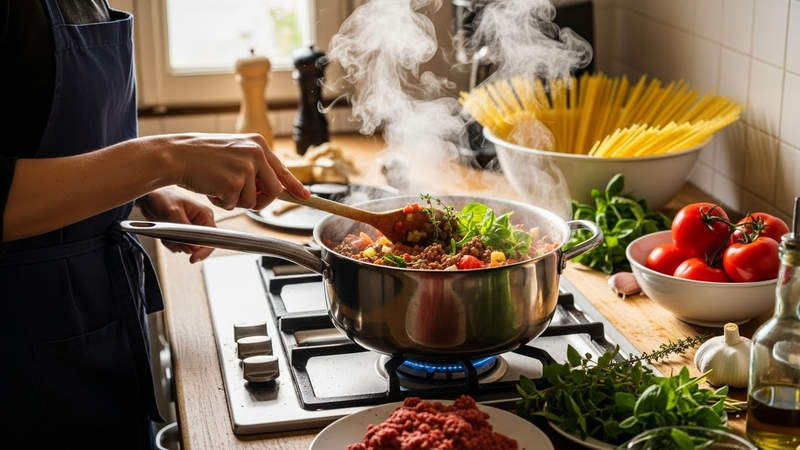
Step-by-step recipe for a Classic bolognese sauce for spaghetti
Crafting Classic Bolognese: A Rich Italian Ragù for Your Table
Bolognese sauce, a cornerstone of Italian culinary tradition, offers a deeply satisfying and versatile experience. While often associated with a lengthy simmer, a flavorful version can come together relatively quickly, filling your kitchen with an inviting aroma. This recipe focuses on developing a rich, complex flavor profile that elevates simple spaghetti into a memorable meal.
Building the Aromatic Foundation
Begin by gently sautéing finely diced onion, carrot, and celery in olive oil until softened, creating a sweet, aromatic base. Next, add minced garlic, cooking for just another minute until fragrant. This foundational trio, known as a soffritto, is essential for developing the sauce’s characteristic depth.
Developing Rich Flavor
Add minced beef to the pan, breaking it apart as it browns. Allow the meat to cook until any moisture evaporates and a rich, golden crust begins to form at the bottom of the pan – this caramelization is key to developing depth and a savory textural contrast. Next, incorporate crushed tomatoes, a splash of beef stock (or vegetable stock for a vegetarian option), and a medley of dried Italian herbs like oregano and basil.
The Simmer and Serving
While a quick simmer can yield a pleasant sauce, allowing it to gently cook for at least 30-60 minutes, or even longer, truly develops the sauce’s characteristic richness and allows the flavors to meld beautifully. The longer it simmers, the more concentrated and complex the taste becomes, creating a luscious flavor suspension. Serve this hearty ragù over al dente spaghetti, finished with a generous grating of Parmigiano-Reggiano.
Why This Homemade Ragù Stands Apart
Beyond the convenience of jarred alternatives, crafting your own Bolognese offers unparalleled control over flavor and quality. The balanced interplay of sweet tomatoes, aromatic vegetables, and savory meat creates a profile that satisfies even discerning palates. This recipe is easily scalable, making it an ideal choice for family dinners or when hosting unexpected guests, ensuring everyone enjoys a wholesome, flavorful meal.
A Glimpse into Bolognese History
Originating from Bologna, Italy, this iconic sauce, or ‘ragù’ as it’s known locally, boasts a history stretching back to the Middle Ages. Its composition has evolved over centuries, with regional variations incorporating elements like different cuts of meat, pancetta, or even a touch of milk to tenderize the meat and create a smoother texture. The fundamental principle, however, remains: a slow-cooked, meat-based sauce designed to coat pasta perfectly.
Creative Adaptations and Dietary Swaps
While spaghetti is a classic pairing, Bolognese truly shines with broader pasta shapes like tagliatelle or pappardelle, which offer more surface area to capture the rich sauce. For a vegetarian or vegan adaptation, replace the minced beef with finely diced mushrooms (cremini or shiitake work well for umami), brown lentils, or even crumbled smoked tofu. Use vegetable stock instead of beef, and ensure any dairy (like Parmesan) is swapped for a plant-based alternative. These options maintain the satisfying texture and depth of flavor without compromising on dietary preferences. For an extra layer of complexity, consider adding a splash of dry red wine during the simmering phase; its tannins and fruit notes enhance the savory depth of the sauce.