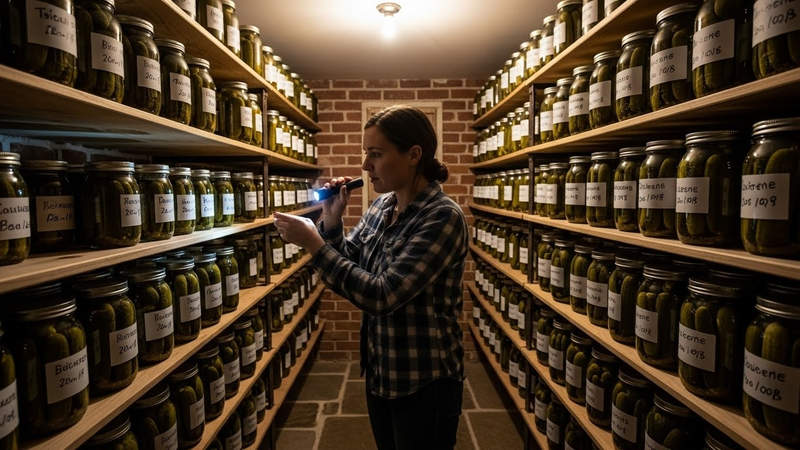
Have you ever wondered why some pickled cucumbers retain their crisp, tangy perfection for months, while others quickly lose their vibrant character? The secret lies not just in the pickling process itself, but in the meticulous art of their post-fermentation care.
Mastering the ideal temperature for pickled cucumbers
Temperature stands as the primary guardian of a pickled cucumber’s integrity, dictating the pace of microbial activity and enzymatic reactions that shape its texture and flavor. Maintaining a stable, cool environment is paramount for long-term preservation.
The critical temperature range for long-term storage
For optimal longevity, 4-10°C offers the sweet spot, allowing the beneficial lactic acid bacteria to remain dormant enough to prevent over-fermentation, yet active enough to maintain the complex flavor profile. This range transforms a cool cellar or a dedicated pantry into an ideal sanctuary, preserving the cucumbers’ crispness and bright acidity for up to 12 months. Refrigeration, typically at 2-4°C, provides an equally effective, albeit colder, environment, particularly after a jar has been opened. In this colder setting, an opened jar will retain its peak quality for approximately 2-3 weeks.
Impact of temperature fluctuations on texture and flavor
Any significant shift in temperature can disrupt the delicate equilibrium within the jar. Wild swings accelerate the metabolic processes of residual microorganisms, leading to an uncontrolled surge in fermentation. This rapid activity can quickly diminish the cucumbers’ structural integrity, transforming a satisfying crunch into an unappetizing softness. Furthermore, sustained temperatures above 15°C encourage an overly aggressive fermentation, resulting in an excessively sour taste profile and a complete loss of the characteristic firm texture that defines a well-preserved pickled cucumber.
Shielding your pickles: light and airtight integrity
Beyond temperature, external factors like light exposure and the seal of the container play pivotal roles in maintaining the quality and safety of pickled cucumbers.
Protecting against light degradation
Direct light, particularly the sun’s potent UV rays, acts as a silent assailant on pickled cucumbers. Ultraviolet radiation actively breaks down delicate organic compounds, including vital vitamins like C, and can trigger undesirable chemical reactions that alter the vibrant green hue of the cucumbers and the clarity of their brine. Over time, this exposure can lead to a duller appearance and a diminished nutritional profile. Storing jars in a dark cabinet or a light-impermeable pantry drawer effectively shields them from this detrimental process.
The role of a perfect seal in microbial safety
A hermetic seal is not merely a convenience; it is the cornerstone of microbial safety for fermented foods. It creates an anaerobic environment, essential for the survival and dominance of beneficial lactic acid bacteria while simultaneously inhibiting the growth of spoilage-causing molds and yeasts that thrive in oxygen-rich conditions. A properly sealed jar ensures the lactic acid fermentation proceeds as intended, preserving the cucumbers without the risk of contamination.
Identifying pristine versus compromised pickled cucumbers
Visually and aromatically, a pristine jar of pickled cucumbers presents specific characteristics:
- The brine appears clear to slightly cloudy, devoid of any visible surface mold.
- The cucumbers themselves retain their natural green color, showing no signs of yellowing or discoloration.
- A pleasant, distinctly sour aroma emanates from the jar, free from any musty, yeasty, or alcoholic undertones.
- When sliced, a well-preserved pickled cucumber offers a characteristic, satisfyingly crisp snap.
Should the lid of a jar appear distended, the brine turn excessively cloudy with visible gas bubbles, or an unpleasant odor arise upon opening, the contents are compromised and must be discarded immediately. After a jar has been opened, always store it in the refrigerator. Ensure all cucumbers remain fully submerged beneath the brine’s surface. If the brine level drops, replenish it with a simple solution of lightly salted water to prevent air exposure, which can invite mold growth.
Extending the vibrant life of pickled cucumbers
Understanding the nuances of storage and recognizing the subtle cues of spoilage allows for proactive measures to maximize the enjoyment of these tangy delights.
Shelf life across varying storage environments
The longevity of pickled cucumbers is directly proportional to the stability and coolness of their environment. Sealed jars stored in a consistently cool (8-15°C) and dark location can maintain their quality for up to 12 months. However, exposure to direct sunlight or higher ambient temperatures drastically shortens this window, reducing their peak freshness to a mere 3-4 months. Refrigeration offers the most extended lifespan:
- Unopened jars: Up to 18 months when kept at a consistent 2-4°C.
- Opened jars: Typically 2-3 weeks, provided they are properly managed.
Crucially, maintaining complete submersion of the cucumbers in the brine after opening is the single most important factor for preserving their firmness and preventing the surface growth of undesirable molds.
Recognizing signs of spoilage
Spoiled pickled cucumbers present clear indicators that they are no longer fit for consumption:
- A brine that is excessively cloudy, accompanied by an off-putting odor.
- A slimy or viscous consistency to the cucumbers or brine.
- Cucumbers that have lost their firmness, feeling soft or collapsing to the touch.
- Any visible mold growth, particularly on the surface of the brine or cucumbers.
Proactive strategies for preserving freshness after opening
Once a jar is opened, a few deliberate steps can significantly extend the life of your pickled cucumbers:
- Transferring any remaining cucumbers and brine to a smaller, airtight container minimizes the headspace, reducing oxygen exposure.
- Should the brine level fall below the cucumbers, replenish it with a solution of 20 grams of salt dissolved in one liter of water, ensuring full submersion.
- Always use a clean utensil when retrieving cucumbers to avoid introducing new bacteria into the jar.
- Employing a small weight, such as a clean ceramic plate, to keep the cucumbers pressed below the brine surface prevents them from floating and becoming exposed to air.
Natural allies in maintaining crispness and longevity
Certain botanical additions not only enhance flavor but also contribute to the preservation of pickled cucumbers. Garlic and horseradish, for instance, possess natural antimicrobial properties that actively inhibit the growth of spoilage organisms, with horseradish potentially extending shelf life by up to 30% compared to pickles without it. The tannins released from cherry and oak leaves play a dual role, imparting subtle flavor notes while also helping to maintain the cucumbers’ desired crispness over extended storage periods.