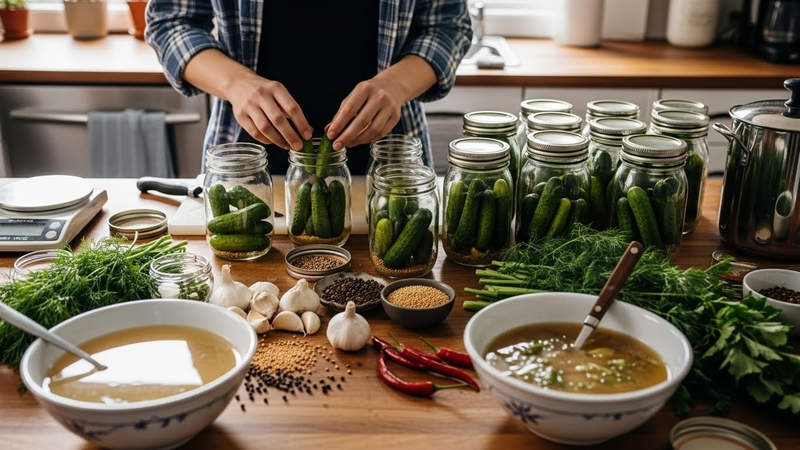
Have you ever wondered what truly separates a crisp, vibrantly flavored pickle from a dull, flabby one? The secret lies not just in the recipe, but in understanding the delicate interplay of ingredients and processes that transform a humble cucumber into a culinary marvel.
The Foundation of Fermentation: Traditional Pickled Cucumbers
Crafting exceptional traditional pickled cucumbers begins with an astute selection of the raw material. Opt for small, firm field cucumbers, ideally those still bearing their characteristic warty texture, which indicates a fresh, robust structure. Before their transformation, these green gems require meticulous preparation: a thorough wash to remove any soil, a precise trim of both ends to facilitate brine penetration, and a rejuvenating soak in cold water for two to three hours. This immersion rehydrates the cucumbers, ensuring they remain exceptionally crisp throughout the fermentation process.
Crafting the aromatic brine for fermentation
The soul of a traditional pickled cucumber resides in its brine, a carefully balanced solution that kickstarts and sustains lactic acid fermentation. This simple yet profound liquid requires:
- Water: 1 liter, preferably spring water, free from chlorine that can inhibit beneficial bacterial growth.
- Rock salt: 2 tablespoons (approximately 20-25 grams), uniodized. Iodine in table salt can interfere with the fermentation process, leading to softer pickles and off-flavors. Rock salt, with its pure mineral composition, allows the lactic acid bacteria to thrive unimpeded.
- Garlic: 4-5 cloves, peeled and lightly crushed to release their pungent, antimicrobial compounds.
- Dill: Fresh dill, particularly the mature umbels (flower heads), which impart a distinct, earthy aroma and contain enzymes that contribute to pickle crispness.
- Horseradish: Both leaves and a section of root. Horseradish is a natural firming agent, thanks to its high tannin content, which helps maintain the cucumber’s structural integrity.
- Cherry leaves: A few leaves contribute additional tannins, further enhancing the crispness and adding a subtle, fruity undertone.
- Allspice and bay leaf: These aromatic spices infuse the brine with warm, complex notes, deepening the overall flavor profile.
The precise ratio of salt to water is paramount for successful fermentation. A concentration of 20-25 grams of uniodized salt per liter of water creates an environment where beneficial lactic acid bacteria flourish while inhibiting undesirable microorganisms. These bacteria convert sugars in the cucumbers into lactic acid, which acts as a natural preservative and imparts the characteristic tangy flavor.
The fermentation journey: From jar to tangy delight
Once the brine is prepared, arrange the prepared cucumbers tightly within sterilized jars or a traditional stoneware crock. This snug packing minimizes air pockets, ensuring maximum contact with the brine. Intersperse the cucumbers with the aromatic spices and herbs, allowing their flavors to permeate every crevice. Pour the cooled brine over the cucumbers, ensuring they are fully submerged.
The initial stage of fermentation unfolds at room temperature for three to five days. During this period, the lactic acid bacteria become highly active, producing a gentle effervescence and a cloudy brine as they work their magic. This visible transformation signals the beginning of the pickles’ distinctive tangy character. Once this initial vigorous fermentation subsides, transfer the containers to a cool, dark location, such as a cellar or refrigerator, where the fermentation slows, allowing the flavors to mature and deepen over time. Traditional pickled cucumbers, preserved solely through this natural lactic acid fermentation, do not require pasteurization, as the acidity itself provides robust preservation while maintaining their vibrant, refreshing taste.
Exploring Cucumber’s Versatility: Marinated and Quick-Brined Varieties
Beyond the slow, transformative dance of traditional fermentation, cucumbers lend themselves to quicker preservation methods, each yielding a distinct flavor profile and texture.
Marinated cucumbers: The tangy crunch
Marinated cucumbers, often referred to as “konserwowe,” offer a sharp, piquant flavor derived from an acetic acid-based brine. This method relies on vinegar for preservation, creating a different sensory experience than fermented pickles. The foundational brine for marinated cucumbers consists of:
- Water: 1 liter.
- Spirit vinegar (10%): 200 ml. The high acidity of vinegar acts as a powerful antimicrobial agent, ensuring the cucumbers’ shelf stability.
- Sugar: 3-4 tablespoons. Sugar balances the vinegar’s sharpness, adding a subtle sweetness that rounds out the flavor.
- Salt: 2 tablespoons.
- Spices: Mustard seeds, allspice, bay leaf, and cloves contribute a warm, aromatic complexity that complements the tangy brine.
Unlike their fermented counterparts, marinated cucumbers require mandatory pasteurization. After filling jars with cucumbers and the hot vinegar brine, process them in a boiling water bath for approximately 10-15 minutes once the water reaches a rolling boil. This heat treatment creates a vacuum seal and eliminates any remaining microorganisms, ensuring long-term preservation. Experimentation with additional flavorings, such as thinly sliced ginger root for a zesty warmth, pungent wild garlic, or the delicate anise notes of fennel seeds, can further personalize these tangy preserves.
Quick-brined cucumbers: Instant gratification
For those craving the fresh tang of pickles without the wait, quick-brined cucumbers, or “małosolne,” offer a rapid solution. These are prepared similarly to traditional pickled cucumbers but employ a higher salt concentration—30-35 grams per liter of water. This increased salinity accelerates the initial lactic acid fermentation, allowing the cucumbers to develop a mild tang and characteristic aroma within a mere 24-48 hours. The higher salt content encourages a faster osmotic exchange, drawing out water from the cucumbers and allowing the brine to penetrate more quickly, thus speeding up the fermentation process. The resulting cucumbers retain more of their fresh, verdant character with a delicate sourness, making them an excellent accompaniment to grilled meats or bright summer salads.
Flavorful twists: Mustard and honey cucumbers
Venturing further into the realm of preserved cucumbers reveals innovative flavor combinations. Mustard cucumbers gain a vibrant, spicy kick from the inclusion of mustard seeds and a touch of chili, transforming them into a zesty accompaniment. Conversely, honey cucumbers marry the natural sweetness of honey with the bright acidity of vinegar, creating a uniquely balanced profile. The honey’s sugars caramelize slightly during processing, adding depth, while the vinegar provides a sharp counterpoint. These sweet-and-sour preserves offer a delightful contrast, particularly alongside rich roasted meats or savory pâtés.
Modern Innovations: Creative Cucumber Preserves
The culinary landscape continually evolves, bringing forth novel approaches to cucumber preservation that blend traditional techniques with contemporary flavors and health considerations.
Turmeric and ginger cucumbers: A healthful fusion
The union of cucumbers with vibrant turmeric and pungent ginger creates preserves that are not only bursting with flavor but also imbued with notable health benefits. Turmeric owes its golden hue and potent properties to curcumin, a powerful antioxidant and anti-inflammatory compound. Ginger, revered for centuries, aids digestion and supports immune function, adding a warm, spicy note.
To craft these healthful preserves:
| Ingredient | Quantity |
|---|---|
| Field cucumbers | 1 kilogram |
| Fresh grated ginger | 3 tablespoons |
| Turmeric powder | 2 tablespoons |
| Garlic cloves | 4 |
| Apple cider vinegar | 500 milliliters |
| Honey | 3 tablespoons |
| Himalayan salt | To taste |
Slice the cucumbers thinly, then immerse them in a hot marinade prepared from the remaining ingredients. The apple cider vinegar contributes its own probiotic benefits and a mellow acidity, while honey provides a subtle sweetness. After filling sterilized jars, pasteurize for 15 minutes. This method locks in the flavors and beneficial compounds, offering a savory-sweet-spicy pickle with an earthy undertone.
Exotic cucumber variations: A global pantry
The versatility of cucumbers extends to a global palate, inspiring a range of exotic preserves that introduce bold, international flavors.
-
Curry marinated cucumbers offer a fragrant, complex profile. A blend of curry spices infuses classic marinated cucumbers with an aromatic depth, transforming them into a vibrant side dish that harmonizes beautifully with grilled fare and rice-based meals. The spices bloom in the hot brine, releasing their essential oils and creating a richly perfumed pickle.
-
Cucumber chutney emerges as a thick, sweet-and-sour paste, a textural and flavor departure from traditional pickles. Crafted with finely diced cucumbers, garlic, chili, and fresh coriander, this condiment offers a harmonious balance of piquancy and sweetness. Its concentrated flavor makes it an ideal accompaniment to roasted meats, cheese boards, or as a vibrant spread. When stored in sterilized jars, its robust composition ensures freshness for extended periods.
-
Cucumber kimchi draws inspiration from Korean culinary traditions, offering a fermented delicacy rich in probiotics. This preparation involves a unique blend of spices and a shorter fermentation period compared to traditional cabbage kimchi, resulting in crisp, spicy, and tangy cucumber slices. The lactic acid fermentation not only preserves the cucumbers but also enhances their nutritional profile, contributing beneficial gut flora.
-
Cucumber smoothie in jars presents an innovative approach to preserving the fresh essence of cucumbers. Blended with invigorating mint, zesty lime, and a touch of honey, then sealed in sterile jars, this preparation captures the vibrant nutrients of fresh cucumbers. It serves as an excellent base for refreshing winter cocktails or light, herbaceous sauces, offering a burst of summery flavor when fresh produce is scarce.
-
Cucumber relish distinguishes itself with its finely chopped consistency and intense, concentrated flavor. This versatile condiment, typically made from diced cucumbers, bell peppers, onions, and a medley of spices, provides a bright, tangy counterpoint to sandwiches, burgers, and hot dogs. Contemporary iterations often incorporate fermented vegetables into the relish itself, deepening its umami notes and adding an extra layer of probiotic richness.