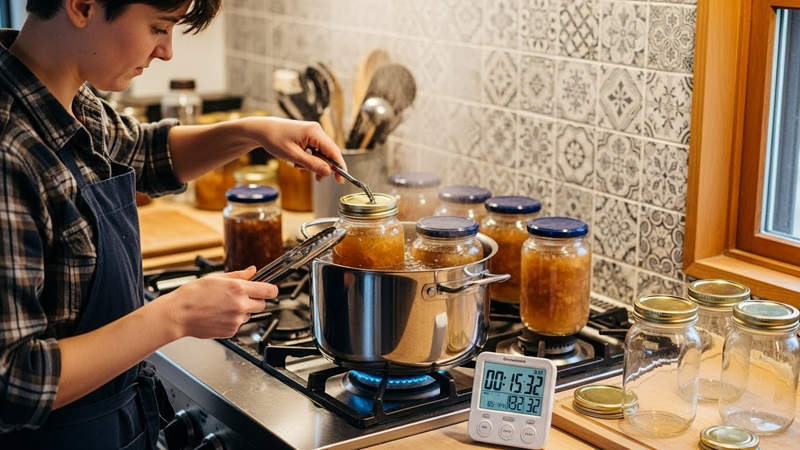
Why does a mere minute matter when preserving the succulent essence of pork jelly? The precise application of heat and time transforms perishable ingredients into a stable, deeply flavorful delicacy, ready to be savored months later.
The Science of Sustained Preservation: Pasteurization Timings
Achieving culinary longevity for pork jelly in jars hinges on precise pasteurization, a process that inactivates spoilage microorganisms without overcooking the delicate meat. The thermal energy must penetrate to the core of the jar’s contents, and this journey is dictated by both the container’s volume and the jelly’s composition.
Precision in duration: jar volume and heat transfer
The size of the jar directly correlates with the time required for heat to reach and maintain the necessary temperature throughout its contents. Larger volumes possess greater thermal inertia, demanding extended exposure to heat. Timing for pasteurization begins not when jars enter the water, but precisely when the water surrounding them achieves a rolling boil, ensuring a consistent starting point for heat transfer.
| Jar Volume (Liters) | Pasteurization Duration (Minutes) |
|---|---|
| 0.5 | 60-70 |
| 0.9 | 85-95 |
| 1.5 | 110-120 |
Fat content and meat structure: influencing thermal penetration
Beyond jar size, the inherent properties of the pork jelly itself influence pasteurization duration. Jellies with a higher fat content, specifically exceeding 25%, require an additional 15 minutes to the standard pasteurization time. Fat acts as an insulator, slowing the rate at which heat permeates the product. Similarly, the type of meat plays a role; pork hock, rich in dense connective tissue, demands a longer pasteurization period than cuts like shoulder or neck. This extended heating allows sufficient time for the robust connective tissues to break down, contributing to the desired tender texture and ensuring thorough heat penetration for preservation.
Mastering the Water Bath: A Step-by-Step Pasteurization Protocol
The water bath method provides a gentle, even heat distribution crucial for successful pork jelly preservation, preventing thermal shock to the glass and ensuring uniform heating of the contents.
- Place filled jars onto a clean cloth or a specialized jar separator at the bottom of a large pot, ensuring they do not touch each other or the pot’s sides.
- Pour water into the pot, reaching approximately three-quarters of the way up the sides of the jars.
- Heat the pot over medium flame until the water reaches a full boil.
- Once boiling, reduce the heat to its lowest setting, maintaining a gentle, consistent simmer rather than a vigorous boil. This steady bubbling ensures continuous heat transfer without excessive agitation.
- Cover the pot with a lid, leaving a small gap to allow steam to escape and prevent pressure buildup.
- Upon completion of the specified pasteurization time, turn off the heat and allow the jars to remain submerged in the hot water for an additional 15-20 minutes. This gradual cooling period prevents thermal shock, which can lead to cracked jars or compromised seals.
Expert insight: Employ a kitchen thermometer to continuously monitor the water temperature. The optimal range for effective pork jelly pasteurization is between 85-90°C (185-194°F), providing sufficient heat for preservation without causing the jelly to boil over or the meat to become stringy.
Unveiling Perfection: Sensory Hallmarks of Properly Preserved Pork Jelly
A successfully pasteurized jar of pork jelly reveals its quality through distinct sensory cues, a testament to meticulous preparation and precise heat treatment. The liquid surrounding the meat should appear clear, with a subtle, alluring opalescence, indicating proper rendering of fats and a well-clarified broth. Within this shimmering matrix, pieces of pork should be evenly suspended, showcasing their tender integrity. Upon opening, the jelly should possess a firm, yet yielding consistency, quivering delicately with a gentle nudge, a sign of ample collagen breakdown and proper setting. The surface must be pristine, entirely free from any visible mold, and the aroma should be characteristic of rich, savory pork, devoid of any sour or off-notes that would signal spoilage.
The Foundation of Safety: Meticulous Hygiene and Jar Preparation
The integrity and safety of homemade pork jelly begin long before pasteurization, rooted deeply in rigorous hygiene practices and precise jar preparation. These initial steps are non-negotiable for preventing microbial growth and ensuring a shelf-stable product.
Sterilization protocols: ensuring a pristine environment
Every jar destined to hold pork jelly must undergo thorough cleaning and sterilization. Begin by washing all jars meticulously in hot, soapy water, removing any residue. Sterilization then renders the jars free of microorganisms that could compromise the jelly’s safety and shelf life. An effective method involves heating jars in an oven at 150°C (300°F) for 15 minutes, or submerging them in vigorously boiling water for a minimum of 10 minutes. This intense heat eliminates potential contaminants, creating a sterile vessel for preservation.
Sealing integrity: lids, gaskets, and headspace
Equally vital is the preparation of sealing components. New rubber gaskets should be scalded briefly in boiling water to soften them and ensure a tight seal. Twist-off lids require a quick immersion in hot water to prepare their sealing compound. Any metal clamps used for traditional jars must be clean and free from damage or rust. When filling jars with the prepared pork jelly, leave a crucial 1.5 cm (approximately 0.6 inches) of headspace from the rim. This empty space allows for expansion during heating and contraction during cooling, creating the vacuum necessary for a secure, airtight seal. After filling, ensure the jar is properly sealed: twist-off lids should be tightened firmly until resistance is felt, while traditional jars are secured with their metal clamps. Before pasteurization, a gentle inversion of each jar can serve as an initial check for any immediate leaks, confirming the seal’s preliminary integrity.
Longevity and Vigilance: Storing and Assessing Preserved Pork Jelly
The journey from fresh ingredients to a safely preserved delicacy culminates in proper storage and diligent quality control. These final steps are paramount to extending the pork jelly’s shelf life and ensuring its continued safety for consumption.
Optimal storage conditions and shelf life
After the pasteurization process concludes, allowing the jars to cool gradually within the hot water bath is essential. This controlled cooling prevents thermal shock to the glass and facilitates the formation of a robust vacuum seal as the contents contract. Once completely cooled, properly pasteurized pork jelly can be stored for extended periods. In a cool, dark environment such as a cellar or pantry, it maintains its quality for up to 6 months. For even longer preservation, refrigeration extends its shelf life to a full 12 months, thanks to the consistently lower temperatures.
Recognizing spoilage: safeguarding culinary creations
Regular inspection of stored jars is crucial for identifying any signs of spoilage and preventing potential health risks. Vigilance ensures that only safe, high-quality jelly reaches the table.
- Lid integrity: A bulging lid or the absence of the characteristic “pop” or “click” sound when opening a twist-off jar indicates a compromised vacuum seal and potential microbial activity.
- Visual clarity: Any cloudiness, discoloration, or the presence of unusual spots or growths within the jelly suggests spoilage. The clear, slightly opalescent appearance is a hallmark of freshness.
- Aroma: An unusual or sour smell upon opening, deviating from the expected savory pork aroma, is a strong indicator of bacterial contamination.
- Physical changes: The presence of mold, gas bubbles, or an abnormally soft or slimy texture are definitive signs that the jelly is no longer safe to consume.
Should any of these warning signs appear, the contents of the jar must be discarded immediately without tasting. Even a minuscule amount of contaminated jelly can pose a serious risk of foodborne illness.