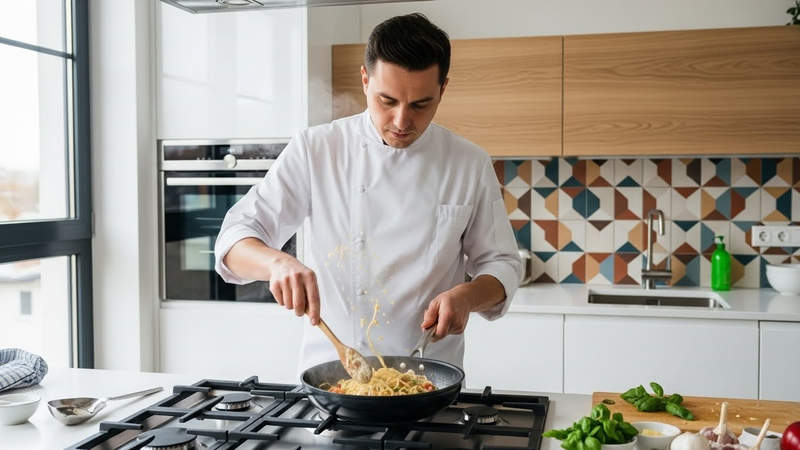
Why settle for multiple pots and diluted flavors when a single pan can unlock a symphony of taste? The allure of one-pot creamy pasta lies not just in its remarkable efficiency but in the profound depth of flavor it achieves, a culinary alchemy where every ingredient contributes to a richer, more cohesive experience.
The Allure of Single-Pan Pasta Preparations
The renaissance of single-pan dishes in home kitchens is no fleeting trend; it’s a testament to the undeniable benefits of streamlined cooking. Foremost among these is the significant conservation of both time and energy. Consolidating the entire cooking process into one vessel eliminates the need for multiple pots and pans, simplifying both preparation and the subsequent cleanup.
Beyond convenience, this method delivers an intensified flavor profile that traditional techniques struggle to match. When pasta cooks directly within the creamy sauce, it acts like a sponge, drawing in the complex aromas and essences of every component. This direct immersion allows the pasta to absorb the savory notes of sautéed aromatics, the richness of the cream, and the subtle spices, weaving them into its very core. In contrast, pasta boiled separately in water, then combined with sauce, retains a distinct, less integrated character, never quite achieving the harmonious depth found in its one-pot counterpart.
Crafting the Perfect Texture: Pasta Selection and Starch Dynamics
The success of a one-pot creamy pasta hinges on a nuanced understanding of pasta shape and the transformative power of starch.
Optimal pasta shapes for cream sauces
Selecting the correct pasta shape is paramount. Varieties like penne, fusilli, and farfalle excel in this method due to their robust structure and ability to cook evenly while integrating seamlessly with a rich, creamy sauce. Their nooks, ridges, and folds provide ample surface area for the sauce to cling, ensuring every bite is coated in velvety richness. Finer, longer strands such as spaghetti or linguine, while beloved in other preparations, present a challenge here. They demand a larger volume of liquid for proper submersion and even cooking, which can inadvertently dilute the luxurious cream sauce, compromising its intended richness and consistency.
The science of starch release and sauce emulsification
The one-pot technique fundamentally redefines how pasta interacts with its cooking medium. Instead of submerging pasta in a vast quantity of boiling, salted water, it’s introduced directly to a base of sautéed ingredients, then enveloped in a precisely measured blend of liquid, often a combination of broth and cream. As the pasta gently simmers, it progressively absorbs this flavorful liquid. Crucially, it simultaneously releases its natural starches directly into the evolving sauce. These starches act as a natural thickening agent, binding the liquid and fat molecules, transforming what would otherwise be a thin broth into a lusciously thick, silken emulsion. This starch-enriched environment is what gives the sauce its characteristic velvety texture and ensures it adheres beautifully to each pasta piece.
Mastering the Cream Sauce: Technique and Temperature Control
Achieving a truly exceptional creamy pasta involves more than just combining ingredients; it demands an understanding of how each element contributes to the final, cohesive dish.
Building the aromatic foundation
The journey to a sublime cream sauce begins with its aromatic foundation. Gently melting butter in a wide, heavy-bottomed pan over medium heat provides a rich base. Into this shimmering fat, finely minced garlic is introduced, sautéing for just 30 seconds until its pungent raw edge mellows into a fragrant, golden whisper. This brief, careful sautéing releases the garlic’s sweet, earthy notes without allowing it to brown or become bitter, laying a delicate aromatic groundwork for the sauce.
The delicate art of simmering cream
Once the garlic’s perfume fills the air, the cream is poured in. This stage demands patience and vigilance. The cream should be brought to a gentle simmer over low heat, allowing it to gradually warm and thicken over two to three minutes. A slight reduction will be visible, indicating a subtle increase in viscosity. It is imperative to prevent the cream from reaching a rolling boil; excessive heat will cause the milk proteins to curdle and separate, resulting in a grainy, broken sauce rather than the desired smooth, homogenous texture.
Unifying pasta and sauce for a harmonious finish
With the cream subtly thickened, the al dente pasta, previously cooked to a tender bite, is transferred directly into the pan. Crucially, two to three tablespoons of the starchy pasta cooking water are added alongside. This seemingly small addition is a professional secret: the residual starch in the pasta water acts as a powerful emulsifier, helping to bind the fats in the cream with the liquids, creating a more stable and luxurious sauce. The mixture is then stirred vigorously for one to two minutes. This energetic motion ensures the sauce uniformly coats every strand or shape of pasta, transforming it into a cohesive, shimmering dish with a perfectly silken consistency.
Should the sauce appear too thin, a generous grating of Parmesan cheese will lend both flavor and body. Conversely, if the sauce becomes overly dense, a splash more of the reserved pasta cooking water will gently loosen it to the ideal, flowing texture.
Elevating Your Dish: Flavor Additions and Presentation
A perfectly executed creamy pasta is a canvas for culinary creativity, offering endless possibilities for customization and enhancement.
Core ingredients for a rich creamy pasta
The foundation of this dish relies on a few high-quality components, meticulously balanced to achieve a luxurious outcome.
| Ingredient | Quantity | Purpose |
|---|---|---|
| Pasta (e.g., penne) | 250g | The hearty base, absorbing rich flavors |
| Heavy Cream (30-36%) | 200ml | Provides lush richness and body |
| Garlic | 2 cloves | Aromatic foundation, sweetens when sautéed |
| Unsalted Butter | 30g | Rich fat for sautéing and emulsification |
| Parmesan Cheese | 50g | Umami depth, thickens sauce |
| Salt | To taste | Enhances all flavors |
| Freshly Ground Pepper | To taste | Adds a subtle warmth and aromatic bite |
| Nutmeg | Pinch | Aromatic spice, complements cream |
Dynamic flavor variations
The basic cream sauce provides an exceptional starting point for a myriad of flavor explorations:
- With chicken: Thinly sliced chicken breast, sautéed separately in butter with a sprinkle of Herbes de Provence until golden, introduces a savory, protein-rich element. These succulent pieces are folded into the finished pasta, absorbing the creamy sauce.
- With bacon: A hundred grams of diced bacon, crisped in a dry pan until rendered and golden brown, imparts a deep, smoky aroma and delightful textural contrast. The rendered fat can even be used to sauté the garlic, infusing the dish with an extra layer of flavor.
- With mushrooms: One hundred fifty grams of earthy forest mushrooms or cremini, sautéed with a whisper of fresh thyme until tender and fragrant, adds a robust, umami-rich dimension. Their savory notes meld beautifully with the creamy backdrop.
- With spinach: A generous hundred grams of fresh spinach, wilted into the sauce during the final two minutes of cooking, brightens the dish with its vibrant color and mild, verdant flavor, offering a refreshing counterpoint to the richness.
The final flourish: serving and preservation
The ultimate creamy pasta demands immediate enjoyment. Serve it straight from the pan, allowing the steam to carry its inviting aromas. A final flourish of freshly grated Parmesan, a generous grind of black pepper, and a scattering of finely chopped fresh parsley or basil elevate both the visual appeal and the flavor. For an elegant presentation, garnish plates with delicate basil leaves and thin shavings of Parmesan, creating a visual feast that mirrors the dish’s rich taste.
Should any remain, transfer the pasta to an airtight container and refrigerate for up to 48 hours. When reheating, the sauce may appear thicker; a small addition of cream or milk will restore its original, luscious consistency, ensuring a delightful experience even on the second serving.