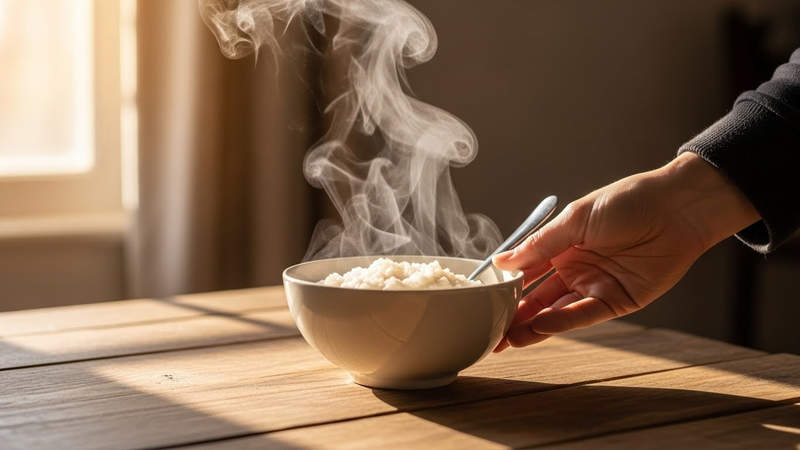
Have you ever wondered why a seemingly simple bowl of rice and liquid can offer such profound comfort and nourishment? It’s a culinary alchemy, transforming humble grains into a velvety, digestible embrace.
The Essence of Rice Porridge: A Culinary Foundation
Rice porridge, a delicate, semi-liquid dish, emerges when rice grains are meticulously simmered until they surrender their structure, dissolving into a creamy, cohesive mass. This preparation creates a highly digestible food, particularly cherished in diets for individuals navigating digestive sensitivities, young children, and seniors. The nutritional profile of rice porridge shifts significantly based on the liquid used, whether it’s pure water or rich milk.
When crafted with water, the porridge offers a light, hypoallergenic foundation, primarily delivering complex carbohydrates. These carbohydrates provide a steady, sustained release of energy, avoiding sharp glycemic spikes. Conversely, a milk-based rendition elevates the dish with essential proteins, calcium, and B vitamins. This version possesses a higher caloric density and enriched nutritional value, making it a more substantial and fortifying meal. Beyond its role in specific dietary needs, rice porridge anchors daily diets in many Asian cultures, revered for its straightforward preparation and exceptional nutrient bioavailability.
The Foundation: Rice Selection and Preparation
Crafting the perfect rice porridge begins with a thoughtful selection of ingredients and the right tools.
- Core Ingredients:
- Rice: 50-100 grams per serving
- Liquid (water or milk): 500-750 ml per 100 grams of rice
- Salt: A pinch, optional
- Flavor enhancements: To personal preference
- Essential Kitchen Tools:
- Heavy-bottomed saucepan: Essential for even heat distribution and preventing scorching.
- Wooden spoon: For gentle, consistent stirring, crucial to prevent sticking and encourage starch release.
- Fine-mesh sieve: For thorough rinsing of rice.
The choice of rice profoundly influences the final texture and flavor. Round-grain varieties, such as Arborio, yield superior results due to their high amylopectin starch content. This particular starch readily breaks down during cooking, releasing into the liquid to create a luxuriously creamy consistency. Jasmine rice imparts a subtle, fragrant aroma, while standard white rice offers a versatile, widely available option that performs reliably.
Before cooking, rinse the rice meticulously under cold running water until the water runs clear. This critical step washes away excess surface starch, which, if left on, can lead to a gummy texture and a less pristine flavor. For an even creamier outcome and a reduced cooking time, soaking the rice for 30 minutes prior to cooking allows the grains to hydrate thoroughly, facilitating a more efficient release of their internal starches into the cooking liquid.
Crafting the Creamy Consistency: Preparation Methods
The journey from raw grain to velvety porridge involves distinct techniques, each yielding a unique character.
Water-based rice porridge
This foundational version of rice porridge is exceptionally gentle on the digestive system. Achieving the desired delicate, thin consistency relies on an optimal ratio: one part rice to eight to ten parts water.
Preparation Sequence:
- Thoroughly rinse 50 grams of rice (preferably white, round-grain) under cold water until clear.
- Combine the rinsed rice with 500 ml of water in a heavy-bottomed saucepan. Bring to a gentle simmer, then reduce heat to low.
- Cook for approximately 30-40 minutes, stirring regularly with a wooden spoon. This constant, gentle agitation prevents the rice from adhering to the pot’s base and encourages the starches to evenly disperse, creating a uniform creaminess.
- Once the rice grains have completely softened and dissolved into the liquid, for an impeccably smooth, silken texture, the porridge can be blended until free of any discernible grain fragments.
Flavor Enhancements for Water-based Porridge:
- A whisper of salt for adults, balancing the palate.
- A teaspoon of honey, adding a delicate sweetness (avoid for children under one year of age).
- A sprinkle of cinnamon, lending warmth and aiding digestion.
- A few drops of high-quality olive oil, subtly boosting nutritional value and adding a nuanced richness.
Milk-based rice porridge
A milk-based porridge offers a richer flavor profile and enhanced nutritional density. The recommended ratio is one part rice to six to eight parts milk, allowing for adjustment based on the desired thickness. Milk’s higher fat and protein content naturally contributes to a thicker, more substantial porridge compared to its water-based counterpart.
Primary Cooking Techniques:
- Direct method: Combine 50 grams of rinsed rice with 500 ml of milk directly in the saucepan. Simmer gently for about 35-45 minutes, stirring frequently. This method requires careful attention to prevent the milk from scorching on the bottom of the pan.
- Two-stage method: Begin by cooking the rice in water until nearly tender. Then, introduce hot milk and continue simmering for an additional 10-15 minutes. This technique offers greater control over the rice’s texture before the milk is fully incorporated and significantly reduces the risk of milk scorching.
Flavor Variations for Milk-based Porridge:
- Sweet: Infuse with honey, a vanilla bean, or fresh fruits for a comforting dessert-like experience.
- Savory: A delicate touch of salt, a knob of butter, and fresh herbs like thyme or rosemary can transform it into an unexpected, aromatic side dish.
Thoughtful Serving and Storage
The versatility of rice porridge extends to its presentation and preservation.
Thoughtful serving approaches
For infants and young children, the porridge must possess an exceedingly smooth consistency, devoid of any lumps, and be served at a lukewarm temperature (around 37°C) to ensure safety and ease of consumption. It is crucial to avoid potentially allergenic additions and offer it in small, manageable portions.
For adults, the canvas of rice porridge invites a spectrum of creative enhancements:
- Freshly sliced fruits, such as ripe bananas or crisp apples, introduce natural sweetness and textural contrast.
- A scattering of nuts or seeds provides a satisfying crunch and an infusion of healthy fats.
- A spoonful of creamy nut butter adds richness and protein.
- Delicate mint or lemon balm leaves offer a refreshing aromatic lift.
Dietary applications
Rice porridge excels as a gentle, restorative food in various dietary contexts:
- It serves as an ideal initial meal following a bout of food poisoning, providing easily assimilated nutrients without taxing the digestive system.
- Its mild nature makes it a soothing breakfast option for those experiencing reflux, offering sustenance without irritation.
- Consumed as a light evening meal, its complex carbohydrates contribute to a sense of satiety and promote restful sleep.
Storage and reheating
While rice porridge is best savored immediately after preparation, it can be stored in an airtight container in the refrigerator for up to 48 hours. Upon cooling, the starches in the porridge undergo retrogradation, causing it to thicken considerably. When reheating, gently warm it on the stovetop or in the microwave, incorporating a splash of water or milk to restore its original, fluid consistency.
For an intriguing twist, prepare rice porridge using coconut water instead of plain water. This imparts an exotic, subtly sweet aroma and additional electrolytes, while maintaining its inherently digestible qualities.