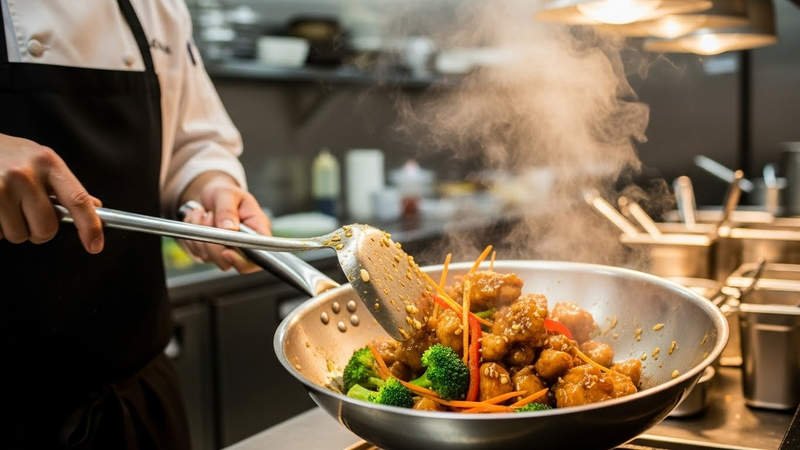
Ever wondered why some honey-soy chicken dishes achieve that elusive balance of sweet, savory, and sticky perfection, while others fall flat? The secret lies in understanding the interplay of ingredients and precise cooking techniques, transforming simple components into a symphony of flavors and textures.
Essential Components for Flavor Harmony
Crafting exceptional honey-soy chicken begins with a thoughtful selection of core ingredients, each playing a vital role in the final sensory experience.
- Chicken: 500-600 g (approximately 1.1-1.3 lbs)
- Soy Sauce: 4 tablespoons (Tamari, a gluten-free option with a milder salt profile, enhances the overall savory depth without overwhelming other flavors)
- Honey: 2 tablespoons (Acacia or wildflower honey offers a delicate sweetness that caramelizes beautifully without becoming cloying)
- Garlic: 2 cloves
- Fresh Ginger: 2 cm piece
- Sesame Oil: 1 tablespoon
- Chili Flakes: 1 teaspoon (optional, for a subtle warmth that cuts through the sweetness)
- Sesame Seeds: 1 tablespoon
- Vegetable Oil: 2 tablespoons (for searing)
- Chives: For garnish
Mastering the chicken selection
The choice of chicken cut profoundly influences the dish’s final texture and succulence. Chicken breasts, lean and quick-cooking, yield a tender, delicate bite, typically requiring 6-8 minutes of cooking. Conversely, chicken thighs or drumsticks, with their higher fat content and connective tissue, offer a richer, more intense flavor and remain exceptionally juicy through longer cooking times. Bone-in cuts, while demanding a longer thermal process (around 15-20 minutes), retain moisture more effectively, contributing to a deeply satisfying, succulent result.
Marination and the Art of Sauce Development
The journey to a truly flavorful honey-soy chicken is paved through meticulous marination and the precise construction of its signature glaze.
Infusing flavor: The marination process
Marinating the chicken is a critical step, allowing the aromatic compounds to penetrate the meat fibers, resulting in a more profound, integrated flavor.
- Preparation: Slice the chicken into uniform pieces, approximately 1.5 cm (about 0.6 inches) thick. This ensures even cooking and consistent texture throughout the batch.
- Marinade Blend: Combine 2 tablespoons of soy sauce, 1 tablespoon of honey, one crushed garlic clove, and 1 teaspoon of grated ginger. The acidity in the soy sauce and the enzymes in the honey gently tenderize the chicken, while the aromatics infuse deeply.
- Duration: Allow the chicken to marinate for a minimum of 30 minutes. For optimal flavor saturation, refrigerate for 2-3 hours. Extended marination, up to 12 hours, permits the flavors to permeate the meat more thoroughly, yielding a richer taste in every bite.
Crafting the signature glaze: Proportional balance
The secret to a perfectly balanced honey-soy glaze lies in its proportions, creating a harmonious interplay of sweet and savory. A foundational ratio of 2 parts soy sauce to 1 part honey establishes this equilibrium. Introducing a tablespoon of water or chicken broth can temper the sauce’s intensity and increase its volume, providing ample liquid for an even, shimmering glaze over the chicken.
Thoughtful additions elevate the sauce’s complexity:
- Garlic and Ginger: A 1:1 ratio forms the aromatic backbone, providing a pungent, warm foundation.
- Chili Flakes: These introduce a subtle, piquant counterpoint, preventing the honey’s sweetness from dominating the palate.
- Sesame Oil: Added towards the end of cooking, it imparts a distinct nutty fragrance, enhancing the overall aroma.
- Toasted Sesame Seeds: Sprinkled just before serving, they offer a delightful textural crunch and an additional layer of nutty depth.
The ultimate characteristic of an exceptional honey-soy glaze is its ideal viscosity. It should possess a consistency that clings to the chicken, creating a glossy, translucent coating without becoming overly thick or gummy. Achieving this perfect glaze involves reducing the sauce directly in the pan during the final 2-3 minutes of cooking. As the liquid simmers, water evaporates, concentrating the sugars and amino acids, leading to a richer color and a more viscous, clingy texture.
Searing and Glazing Techniques
The transformation of marinated chicken into a golden, sticky masterpiece relies on precise heat management and a well-orchestrated sequence of additions.
Pan selection and thermal precision
The choice of cooking vessel significantly impacts the outcome. A wok, with its high, sloped sides, is ideal for stir-frying, preventing splashes and facilitating rapid, even cooking of ingredients. Alternatively, a heavy-bottomed non-stick pan ensures uniform heat distribution, minimizing hot spots that could scorch the glaze. A cast-iron skillet, renowned for its superior heat retention, promotes exceptional browning, developing a deep, caramelized crust on the chicken.
Maintaining an optimal cooking temperature, approximately 180-190°C (355-375°F), is paramount. This temperature is sufficiently high to induce the Maillard reaction, creating a beautiful golden-brown exterior on the chicken, yet moderate enough to prevent the honey in the glaze from burning, which would introduce an acrid bitterness. Sear chicken pieces (ideally 2×2 cm cubes if using breast or thigh) for an initial 3-4 minutes per side until they achieve a vibrant golden hue. Following the addition of the sauce, reduce the heat and allow the chicken to simmer for an additional 5-7 minutes. This gentle simmering allows the meat to cook through completely while remaining remarkably tender and absorbing the rich flavors of the glaze.
Ingredient sequence and the finishing touch
The precise order of adding ingredients ensures each component contributes optimally to the final flavor profile and texture.
- Aromatic Foundation: Heat a small amount of sesame oil in the pan until shimmering. Introduce minced garlic and grated ginger, sautéing for a mere 30 seconds until their fragrant oils release. This brief sauté mellows their pungency and amplifies their aromatic qualities.
- Searing the Chicken: Add the marinated chicken pieces, searing them until golden brown on all sides. This initial high-heat exposure locks in juices and builds flavor through caramelization.
- Glaze Application: Pour the prepared sauce – a blend of soy sauce, honey, a touch of rice vinegar (if desired for brightness), and a splash of water – over the seared chicken. Reduce the heat immediately to a gentle simmer.
- Final Aromatics and Texture: Just before serving, stir in chopped green onions and a sprinkle of sesame seeds. The green onions offer a fresh, pungent counterpoint, while the sesame seeds provide a delicate crunch and nutty aroma.
To achieve a thicker, more viscous glaze, a slurry of cornstarch is highly effective. Dissolve 1 teaspoon of cornstarch in 2 tablespoons of cold water, then gradually whisk this mixture into the simmering sauce. The cornstarch granules swell and gelatinize upon heating, instantly thickening the liquid. As an alternative, rice flour can be used, offering a similar thickening property without altering the dish’s flavor.
The finished honey-soy chicken, glistening and fragrant, pairs exquisitely with:
- Jasmine or Basmati Rice: Their fragrant, fluffy grains absorb the rich sauce beautifully.
- Udon or Soba Noodles: These noodles provide a satisfying chewiness and a different textural contrast.
- Blanched Vegetables: Broccoli florets, carrot ribbons, or bell pepper strips offer a crisp, fresh element and vibrant color, balancing the richness of the chicken.
For optimal enjoyment and preservation, store any leftover honey-soy chicken in an airtight container in the refrigerator for up to three days. When reheating, incorporate 1-2 tablespoons of water to rehydrate the sauce and prevent it from becoming overly viscous. Gently warm the dish over low heat, stirring periodically, until thoroughly heated through.