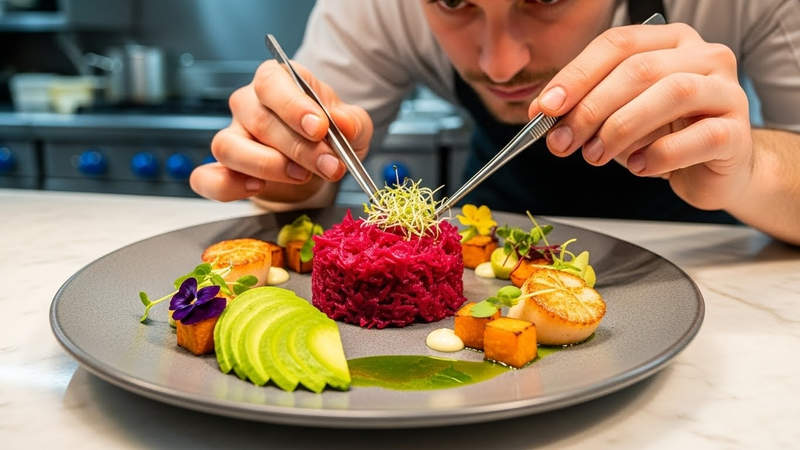
Why does a humble head of red cabbage, when transformed by time and salt, become a culinary powerhouse far exceeding its fresh counterpart? The secret lies in a vibrant crimson elixir, packed with compounds that nourish and delight.
Nutritional alchemy: The profound advantages of fermented red cabbage
Fermented red cabbage is a nutritional marvel, its deep purple hue a testament to a rich concentration of anthocyanins. These natural pigments function as potent antioxidants, actively neutralizing free radicals and contributing to cellular health. Beyond its striking color, every 100 grams of this fermented vegetable delivers approximately 25 mg of Vitamin C, fulfilling over 30% of daily requirements and bolstering immune function. The fermentation process also unlocks a spectrum of B vitamins, notably B1, B2, and B6, crucial for energy metabolism, alongside vital minerals like potassium, calcium, and iron, supporting everything from nerve function to bone density.
The transformative power of lactic acid fermentation amplifies the bioavailability of these nutrients, making them more readily absorbed by the body. This biological conversion also enriches the cabbage with live probiotic bacterial cultures, essential allies for a thriving gut microbiome. A mere 100 grams of fermented red cabbage contains a scant 19 kcal, yet boasts a significant dietary fiber content. This fiber contributes to satiety, aids digestive regularity, and helps maintain stable blood sugar levels, making it a valuable addition for those mindful of their dietary intake.
The art of traditional fermentation: Crafting crimson kraut
The creation of fermented red cabbage hinges on a natural lactic acid fermentation, a method that both preserves the vegetable and deepens its intricate flavor profile. The journey begins with meticulous preparation: outer, often tougher leaves are peeled away, and the dense core is removed. The remaining cabbage is then finely shredded into thin, uniform strips. This consistent cut ensures even salt distribution and promotes a homogenous fermentation, leading to a superior texture.
The cornerstone of successful fermentation is the precise salt ratio. For every kilogram of shredded red cabbage, 15-20 grams of non-iodized rock salt are integrated. The absence of iodine is critical, as this element can inhibit the beneficial lactic acid bacteria responsible for fermentation. Beyond salt, flavor enhancers frequently join the mix. Crisp, sweet apples temper the cabbage’s inherent sharpness, introducing a subtle, fruity counterpoint. Aromatic spices like caraway seeds, juniper berries, bay leaves, and allspice lend an earthy depth and complex fragrance, weaving layers of flavor into the final product.
Once combined, the salted cabbage and spices are vigorously massaged or pounded. This physical action ruptures cell walls, coaxing out the cabbage’s natural juices. The goal is to create enough liquid to fully submerge the shredded cabbage when packed tightly into a ceramic crock or glass jar. A weight is then applied, ensuring the cabbage remains entirely immersed in its self-generated brine. This anaerobic environment is paramount, preventing the proliferation of undesirable molds and yeasts while fostering the growth of beneficial lactic acid bacteria.
Fermentation typically unfolds over 7-14 days at a consistent room temperature, ideally between 18-22°C. During this period, the lactic acid bacteria diligently convert the cabbage’s natural sugars into lactic acid. This metabolic process imparts the characteristic tangy flavor and distinct aroma of fermented cabbage. Once the effervescence subsides and the desired tartness is achieved, the fermented cabbage is transferred to a cooler environment, ideally 2-8°C. This lower temperature slows the bacterial activity, preserving the peak flavor and texture for extended enjoyment.
Culinary versatility: Infusing dishes with fermented red cabbage
Fermented red cabbage transcends its role as a simple side, becoming a dynamic ingredient that enlivens a myriad of dishes. Its vibrant acidity and complex flavor profile offer endless possibilities.
Hearty applications: Soups and stews enriched by fermented red cabbage
In the realm of warming winter dishes, fermented red cabbage proves an exceptional addition. A classic borscht, for instance, gains a profound depth and an intensified, jewel-toned crimson hue with its inclusion. Incorporating 2-3 tablespoons of the fermented cabbage during the final stages of cooking introduces a distinctive, gently sour note that brightens the entire broth.
When paired with rich, robust stews, particularly those featuring game meats or beef, the cabbage’s acidity provides a welcome counterpoint. Its sharp tang cuts through the inherent heaviness of meat dishes, creating a balanced palate and aiding digestion. Harmonious flavor pairings emerge when fermented red cabbage joins forces with cloves and juniper berries within a stew, crafting an aromatic, warming composition perfectly suited for cooler days.
Crisp textures and bright flavors: Salads and slaws with fermented red cabbage
Fermented red cabbage shines as a star in crisp, refreshing salads. A timeless combination features the fermented cabbage with sweet apples and crunchy walnuts. This interplay of sweet, sour, and nutty flavors, coupled with varied textures, creates an ideal accompaniment for grilled fare.
For a vibrant slaw, fermented red cabbage mingles beautifully with shredded carrots, thinly sliced onions, and a drizzle of olive oil. This simple yet flavorful blend makes an excellent topping for sandwiches or burgers. To elevate the flavor further, a touch of honey and a squeeze of lemon juice can be added, enhancing the sweetness and sharpening the acidity. Such a slaw maintains its crisp freshness for several days when refrigerated, offering a convenient, flavorful addition to daily meals.
Beyond traditional pairings, fermented red cabbage effortlessly bridges culinary traditions. In fusion cuisine, it finds a natural home alongside Asian flavors. Integrating it into a soba noodle salad with sesame seeds and a soy-based dressing creates an intriguing interplay of umami and tang. The fermentation process itself imbues the cabbage with a savory depth, allowing it to effectively substitute the umami typically found in meat, making it an invaluable component in vegetarian and vegan dishes.