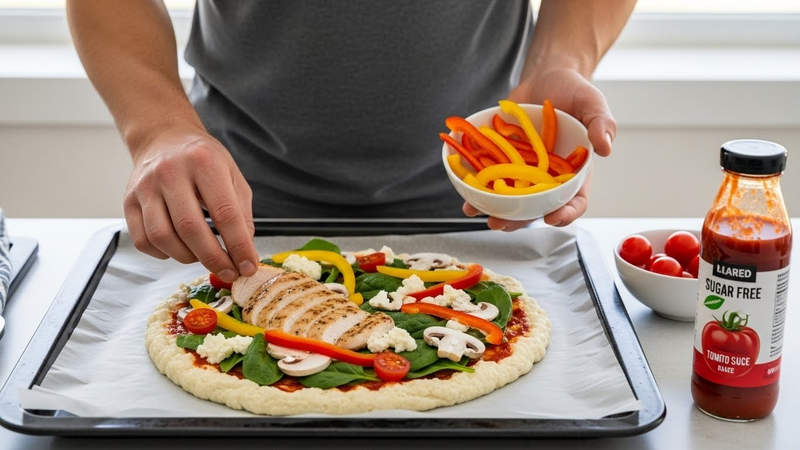
Can a pizza base truly be a powerhouse of protein, remarkably low in carbohydrates, and ready in minutes without the wait of yeast?
The cottage cheese pizza offers a compelling departure from conventional yeast-leavened doughs, presenting a nutrient-dense foundation for your favorite toppings. This innovative base significantly elevates protein content, delivering approximately 12-15 grams per 100 grams of dough, a substantial increase over the 7-8 grams found in typical yeast crusts. Simultaneously, its carbohydrate profile is dramatically leaner, hovering around 5-7 grams per 100 grams compared to the 45-50 grams in traditional dough. This composition also results in a lighter caloric footprint, averaging 150-180 kcal per serving against the 250-300 kcal of a classic pizza slice. Beyond its nutritional advantages, the absence of a lengthy proofing period for the dough streamlines preparation, making it an appealing choice for those adhering to low-carb, ketogenic, or gluten-free dietary regimens, provided appropriate flours are selected.
Nutritional breakdown: Cottage cheese vs. traditional pizza crust
The distinct nutritional advantages of a cottage cheese base become clear when compared directly to a standard yeast dough.
| Nutritional Aspect (per 100g dough) | Cottage Cheese Pizza Base | Traditional Yeast Pizza Dough |
|---|---|---|
| Protein | 12-15 g | 7-8 g |
| Carbohydrates | 5-7 g | 45-50 g |
| Calories (per serving) | 150-180 kcal | 250-300 kcal |
This comparison underscores the cottage cheese base as a strategic choice for those prioritizing protein intake and carbohydrate reduction without sacrificing the enjoyment of pizza.
Crafting the cottage cheese pizza base: Ingredients and preparation
The foundation of a successful cottage cheese pizza lies in a few key ingredients and a precise preparation technique. For a pizza approximately 25-28 cm in diameter, gather:
- 250g cottage cheese: Opt for a variety with 4-5% fat content. The fat contributes to a more tender and flavorful crust.
- 2 large eggs: These act as a crucial binder, providing structure and richness to the dough.
- 3-4 tablespoons flour: The choice of flour significantly impacts the crust’s characteristics. Wheat flour offers a familiar texture, while coconut or almond flour are excellent alternatives for gluten-free or lower-carb versions. The exact quantity may vary slightly depending on the flour type and the moisture content of the cottage cheese.
- 1 teaspoon baking powder: This chemical leavening agent reacts during heating, producing carbon dioxide bubbles that give the crust a light, airy lift and a tender crumb.
- Pinch of salt: Enhances overall flavor.
- Spices to taste: Oregano, basil, or garlic powder can infuse the base with aromatic depth.
The pivotal step in achieving the desired dough consistency is the thorough draining of the cottage cheese. Excess whey, the watery component, can render the dough too loose and challenging to manage, hindering proper browning and crispness during cooking.
Technique for preparing the cottage cheese dough
Once the cottage cheese is adequately drained, the dough comes together swiftly:
- Puree the cottage cheese: Using a blender or food processor, process the cottage cheese until it achieves a smooth, uniform consistency, free of curds. This ensures an even texture throughout the finished crust.
- Incorporate eggs: Add the eggs to the pureed cottage cheese and mix thoroughly until fully combined. The mixture should appear cohesive and slightly thickened.
- Gradual flour addition: Sift the flour and baking powder together, then gradually incorporate this dry mixture into the wet ingredients. Mix until a homogenous, pliable dough forms. Overmixing can develop gluten in wheat flour, leading to a tougher crust, so mix just until combined.
- Forming the base: Transfer the dough onto a baking sheet lined with parchment paper. Gently spread it out to a thickness of approximately 0.5-1 cm, shaping it into your desired pizza form. The parchment paper prevents sticking and facilitates easy transfer.
Culinary methods for cottage cheese pizza
Cottage cheese pizza offers versatility in cooking, adapting beautifully to both oven baking and pan-frying, each method yielding distinct textural results.
Achieving a crisp base: Oven-baked cottage cheese pizza
Baking cottage cheese pizza in the oven coaxes out a wonderfully crisp base and ensures toppings melt into a harmonious blend. An optimal baking temperature of 200-220°C (390-425°F) for approximately 15-20 minutes promotes the Maillard reaction, developing rich, golden-brown hues and a satisfying crunch without charring.
For an exceptionally crisp crust:
- Pre-bake the crust: Initiate the baking process by pre-baking the plain dough for 5 minutes before adding any toppings. This initial heat sets the structure and begins the moisture evaporation, laying the groundwork for crispness.
- Layer toppings strategically: After the initial pre-bake, remove the crust from the oven and then arrange your chosen toppings. This prevents the toppings from overcooking or releasing too much moisture into the crust during the critical initial phase.
- Utilize a pizza stone: If available, a preheated pizza stone offers superior thermal mass, rapidly transferring heat to the dough. This intense, even heat from below is instrumental in achieving a professional-grade, blistered, and uniformly crisp bottom crust.
Select toppings that are lower in moisture to maintain the crust’s integrity. Consider delicate slices of Parma ham, intensely flavored sun-dried tomatoes, briny olives, or a robust blend of cheeses like mozzarella, Parmesan, and goat cheese. Arugula, with its peppery bite, is best scattered over the pizza immediately after baking, preserving its vibrant freshness and delicate texture.
Rapid preparation: Pan-fried cottage cheese pizza
When time is limited or oven access is unavailable, pan-frying offers a swift and equally delicious route to cottage cheese pizza. The choice of pan is paramount: a heavy-bottomed, non-stick pan, ideally 24-28 cm in diameter, ensures even heat distribution and prevents adhesion.
Before introducing the dough, preheat the pan over medium heat and coat its surface with a minimal amount of olive oil.
The pan-frying process unfolds in stages:
- Form and cook the first side: Pour the prepared dough into the hot pan, spreading it into a uniform circle about 1 cm thick. Cover the pan with a lid, allowing the trapped steam to gently cook the top while the direct heat crisps the bottom. Cook for 5-7 minutes over medium heat. The lid also helps to melt any cheese that might be added later.
- Flip and top: Once the underside develops a golden-brown crust, carefully flip the pizza to cook the second side. Immediately arrange your chosen toppings onto the now-cooked surface.
- Finish cooking: Re-cover the pan and continue cooking for an additional 3-5 minutes. The residual heat and steam within the covered pan will melt the cheese and warm the toppings through.
To ensure the base cooks evenly without localized scorching, employ a heat diffuser if possible. This accessory disperses the flame’s intensity, promoting uniform browning. Without a diffuser, simply reduce the heat to low and extend the cooking time slightly, allowing for a slower, more controlled cook.
For pan-fried versions, opt for lighter toppings that require minimal cooking. Pre-sautéed mushrooms, thinly shaved zucchini, briny capers, or crumbled feta cheese work exceptionally well. Fresh herbs, such as basil or parsley, are best added just before serving to retain their aromatic oils and vibrant color. A sprinkle of seeds—sunflower, pumpkin, or sesame—across the top during the final cooking stage imbues the pizza with a delightful nutty aroma and an added layer of textural intrigue as they toast in the pan.